Office access control system: a practical buyer checklist
How to evaluate access control for offices: zones, visitor flow, attendance, audit logs, deployment model, and room to expand.
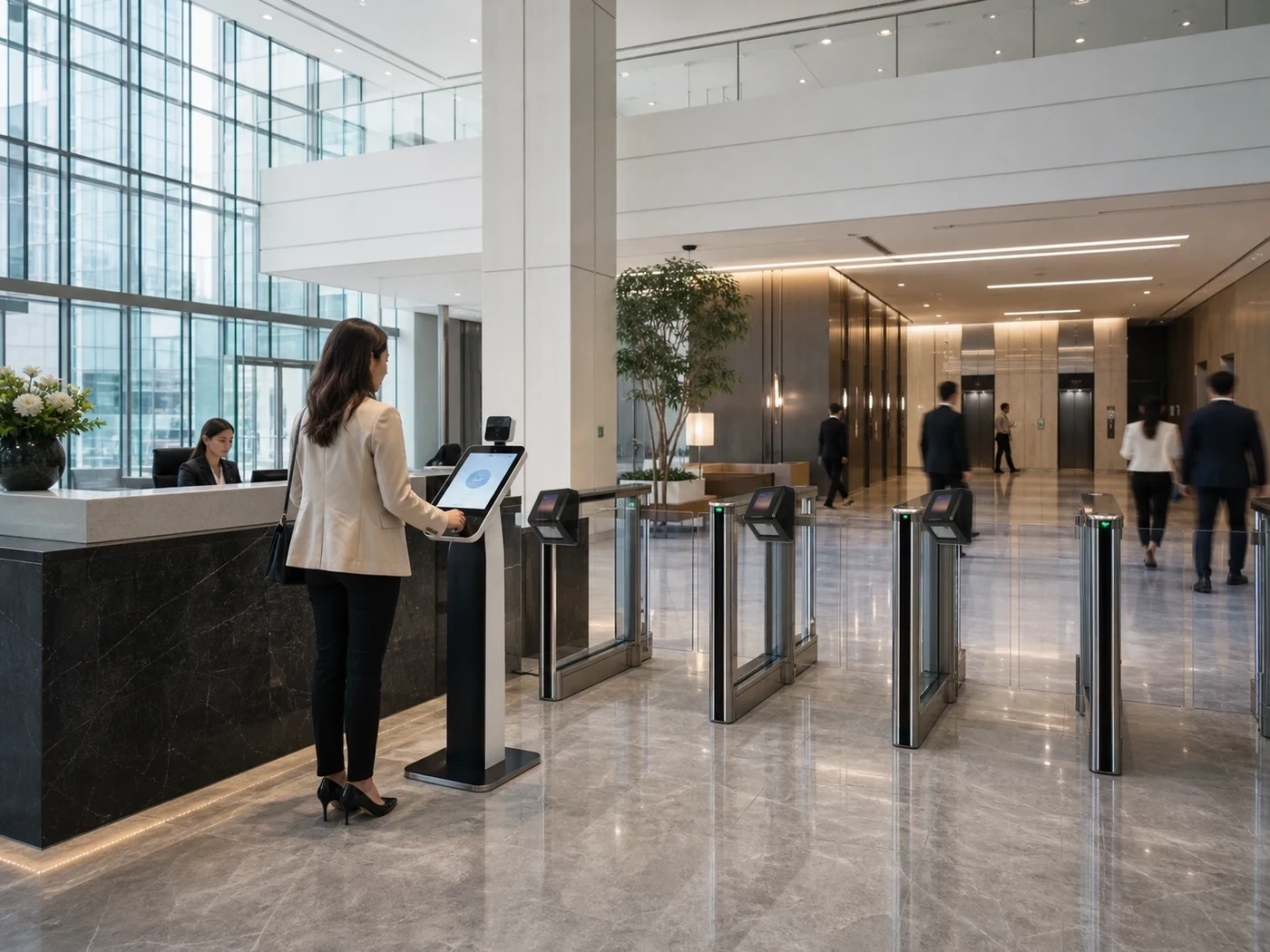
A good office access control system is not only about opening doors with cards, QR codes, or face credentials. It should answer daily operating questions: who can enter which area, when that permission expires, whether a visitor was approved, whether access events can support attendance review, and how quickly security teams can investigate incidents.
Start with zones and policy
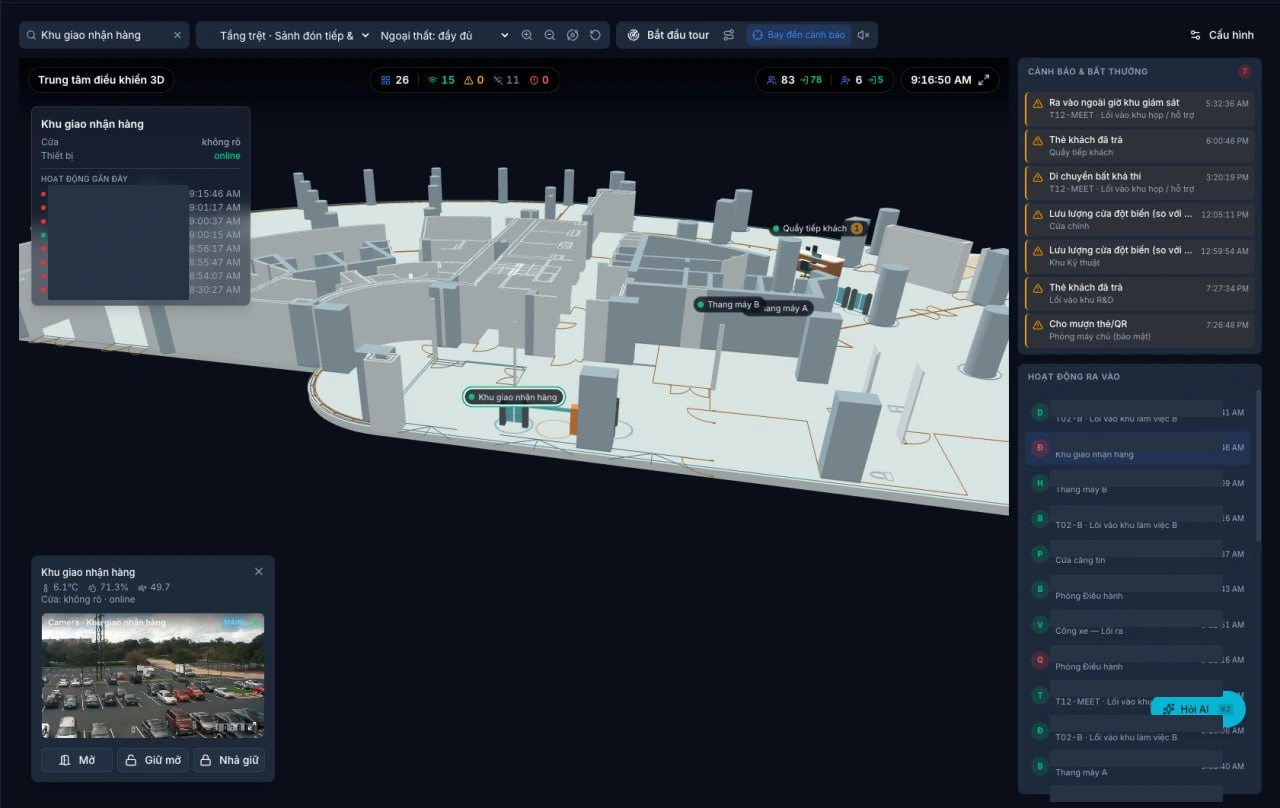
Before counting readers, map the lobby, work floors, server room, storage, technical rooms, visitor areas, parking, and lifts. Each zone should have clear roles, schedules, validity windows, and audit history.
- Role-based access by department, shift, or project group
- Temporary permissions with start and end dates
- Schedules for office hours, weekends, and special cases
- Event history for both granted and denied attempts
Connect visitors and attendance to real access events
Visitor management should connect directly to access. A visitor record should include a host, appointment window, temporary credential, automatic expiry, and event history. Attendance should use trusted access events with clear rules, not raw door opens copied blindly into timesheets.
Make auditability a buying criterion
Teams need to search by person, door, zone, device, and time; review denied attempts; and connect events with video when needed. Duall Master lets teams start with Access Control and expand to Visitor Management, Attendance, Parking, Video Management, or Video Intercom on the same platform foundation.
How real offices run it
AhaSlides, a fast-growing startup, runs office access and attendance entirely on the cloud — Face ID, QR, or mobile entry, with most day-to-day tasks handled from the phone, no on-site servers. At the other end of the scale, Vietnam’s Ministry of Information and Communications has secured 12 doors with QR and Face ID since 2019, where the same recognized entry doubles as the attendance record.
Keep reading